Introduction
Have you ever woken up in the exact same position every morning and thought, “Wait… do I always sleep like this?”
Maybe you’re curled up like a human croissant. Maybe you’re flat on your back like you’ve just been placed in a museum exhibit. Either way, it’s probably not random.
The way you sleep can quietly reflect what’s going on in your mind, your stress levels, emotional state, and even how you deal with life’s chaos. Your body doesn’t just clock out when you sleep, it keeps expressing what your brain has been processing all day.
In this article, we’ll decode the hidden psychology behind common sleep positions (yes, even the dramatic ones) and what they might say about your mental state. You’ll walk away with a better understanding of yourself, and maybe a reason to finally stop hogging the entire bed.
Context & Why It Matters
Sleep isn’t just about recharging your body, it’s also a backstage pass to your mental and emotional world. While you’re offline, your subconscious is still very much “typing…”
Researchers in sleep psychology suggest that body language continues even during sleep. In other words, your sleeping posture might be your brain’s way of whispering, “Hey, we need to talk.”
Why does this matter? Because your sleep position can:
- Hint at underlying stress or anxiety (hello, fetal position)
- Reflect how open, or guarded, you are emotionally
- Affect your sleep quality (and mood the next day)
- Reveal how safe, comfortable, or restless you feel
So yes, the way you sleep might not just explain your stiff neck, it could explain your state of mind too.
1. The Fetal Position: Seeking Comfort and Security
If you sleep curled up like you're trying to fit into an imaginary suitcase, you’re not alone. This is one of the most common sleep positions.
What it may indicate
- A desire for comfort and emotional safety
- Sensitivity hiding behind a tough exterior
- Higher stress or anxiety levels
Key traits
- Introverted tendencies
- Emotionally aware
- Needs reassurance during tough times
Real talk: This is basically your body saying, “Life is a lot. Let me just… shrink for a bit.”
2. The Log Position: Easygoing and Social
This is the “I trust the world” position, lying on your side with your arms straight down. No drama, no overthinking… at least on the outside.
What it may indicate
- A relaxed, easygoing personality
- Openness to new experiences
- Strong social connections
Key traits
- Friendly and approachable
- Sometimes too trusting (you might click “accept cookies” without reading)
- Adaptable
3. The Yearner Position: Curious but Cautious
Arms stretched forward like you’re reaching for something, your dreams, your goals, or maybe just the remote you dropped.
What it may indicate
- A desire for connection or something “more” in life
- A mix of openness and hesitation
- A thoughtful but sometimes indecisive mind
Key traits
- Curious and forward-thinking
- Slightly skeptical
- Takes time making decisions
This is the classic “I want it… but let me think about it for 3–5 business days” personality. You’re always reaching, but carefully.
4. The Starfish Position: Supportive but Reserved
Flat on your back with arms spread out, like you’ve just claimed the entire bed as your personal kingdom.
What it may indicate
- A supportive and giving nature
- Discomfort with being the center of attention
- Quiet confidence
Key traits
- Loyal friend
- Great listener
- Emotionally stable but private
Bonus truth: If you share a bed, this position may indicate you value others… just not enough to give them space.
5. The Freefall Position: Bold but Vulnerable
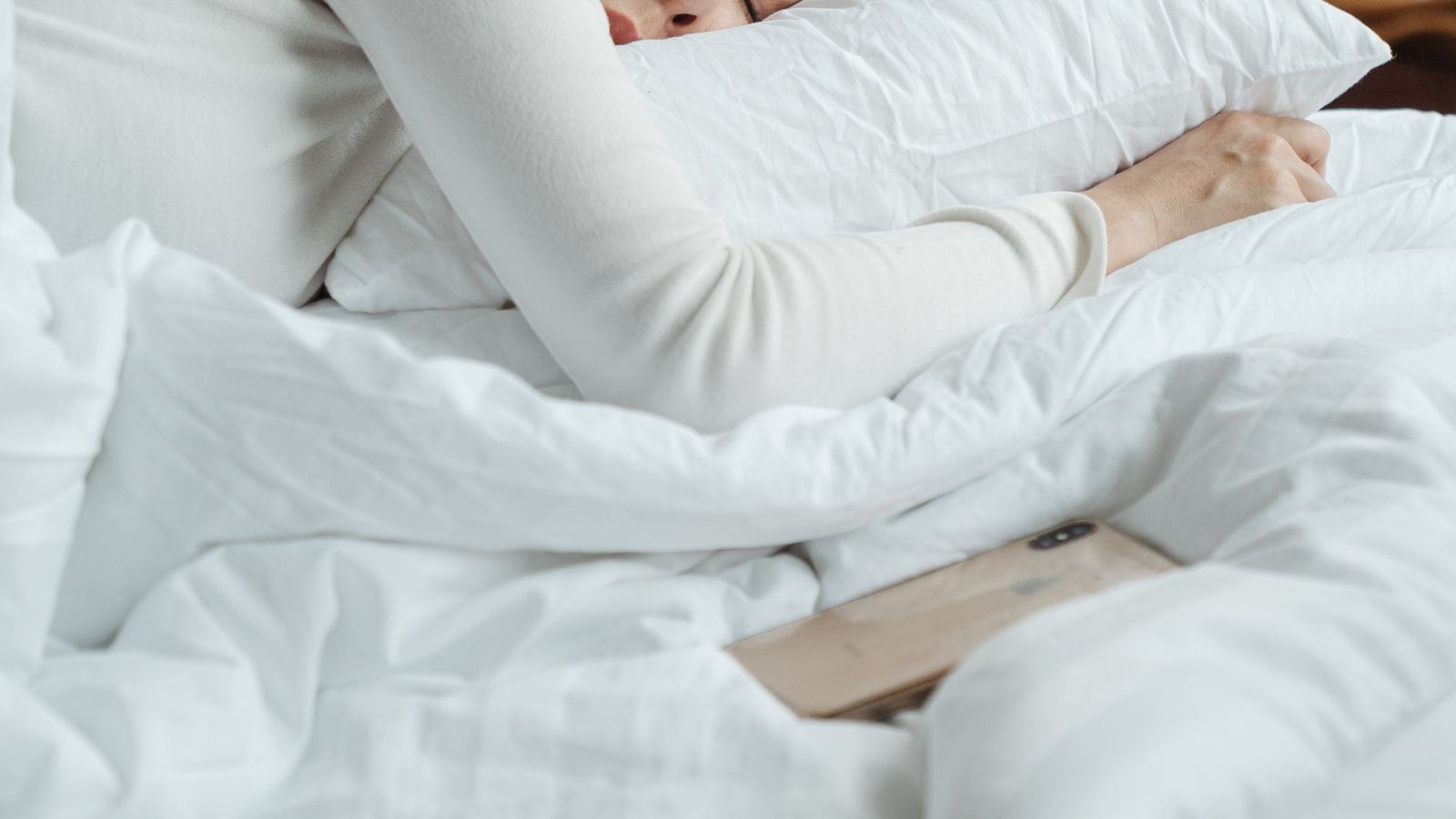
Face down, arms around the pillow—it looks bold, but there’s more going on beneath the surface.
What it may indicate
- An outgoing, confident exterior
- Hidden sensitivity to criticism
- A need for control
Key traits

- Energetic and adventurous
- Easily stressed
- Defensive under pressure
Translation: You act like you’ve got everything handled… but one mildly critical comment can live in your head rent-free for a week.
6. The Soldier Position: Disciplined and Reserved
Flat on your back, arms by your sides, neat, structured, and very “I have my life together” energy.
What it may indicate
- High discipline and self-control
- Preference for order and routine
- Emotional restraint
Key traits
- Quiet and introspective
- Holds high standards
- May struggle to open up
Honest moment: You probably have a mental to-do list… even in your dreams.
Tips to be ‘unstuck’
If your sleep position reflects your mental state, here’s the good news: you’re not stuck like that forever (this isn’t a personality prison).
1. Reduce Stress Before Bed
- Try deep breathing or meditation
- Avoid screens before sleep (yes, even “just one more reel”)
- Write down your thoughts to clear your mind
2. Upgrade Your Sleep Setup
- Use pillows that actually support you (not just decorative ones)
- Keep your room cool, dark, and quiet
- Invest in a mattress that doesn’t feel like a regret
3. Experiment with Positions
- Side sleeping can feel more comforting
- Back sleeping may help relaxation and alignment
- Body pillows = instant emotional support (and no judgment)
4. Build a Routine
- Sleep and wake up at consistent times
- Avoid late caffeine unless you enjoy staring at the ceiling
- Create a calming bedtime ritual
Small tweaks can make a big difference, not just in how you sleep, but how you feel.
Expert Insights
Sleep researchers have found that many people stick to one main sleep position for years, almost like a subconscious habit that refuses to update itself.
Experts suggest:
- Stress often leads to protective positions like the fetal pose
- Open positions may reflect emotional stability
- Restless sleeping can signal mental tension
In real-life scenarios, people who improved their sleep habits, along with managing stress, reported:
- Better mood
- More energy
- Reduced anxiety
So no, changing your sleep position won’t magically fix your life, but it can definitely help you feel a bit more in control of it.
Conclusion
Your sleep position isn’t just about comfort, it’s a quiet reflection of your inner world. Whether you curl up, stretch out, or somehow take up 90% of the bed, your body is telling a story every night.
The real question is: are you listening?
Tonight, as you settle in, take a second to notice how you sleep. It might reveal more about your mind than your morning coffee ever will. And who knows maybe a small change in how you sleep could lead to a big shift in how you feel.
Or at the very least… fewer neck cramps.
References
Kamau, C., Langer, S., & Kumar, S. (2012). Associations between sleep positions and personality traits. Journal of Sleep Research, 21(5), 1–6.
Skarpsno, E. S., Mork, P. J., Nilsen, T. I. L., & Holtermann, A. (2017). Sleep positions and their association with sleep quality and health outcomes. BMC Public Health, 17, 1–8. https://doi.org/10.1186/s12889-017-4821-y
Cary, D., et al. (2019). The relationship between sleep posture and musculoskeletal symptoms. BMJ Open, 9(6), e027633. https://doi.org/10.1136/bmjopen-2018-027633
Sleep Foundation. (n.d.). What your sleeping position says about you. Retrieved May 4, 2026, from https://www.sleepfoundation.org/sleeping-positions/meaning
Sleep Foundation. (n.d.). Fetal sleeping position. Retrieved May 4, 2026, from https://www.sleepfoundation.org/sleeping-positions/fetal